

 English
 العربية

Цена на коксовый уголь
The Price Dynamics of Coke Coal Coke coal, also known as metallurgical coal, is a critical raw material in steel production, serving as a key reducing agent in blast furnaces. Unlike thermal coal, which is primarily used for power generation, coke coal must meet stringent quality requirements, including low sulfur and phosphorus content, high carbon content, and strong caking properties. The price of coke coal is influenced by a complex interplay of supply-demand dynamics, geopolitical factors, environmental regulations, and macroeconomic trends. Supply and Demand Factors The global demand for coke coal is closely tied to steel production, particularly in major economies like China, India, and Japan. When steel output rises—driven by infrastructure projects, automotive manufacturing, or construction—coke coal prices tend to increase. Conversely, economic slowdowns or shifts toward electric arc furnaces (which use scrap steel instead of coke) can depress demand. On the supply side, coke coal production is concentrated in a few key regions, including Australia, the United States, Canada, and Russia. Disruptions in these areas—such as extreme weather, labor strikes, or logistical bottlenecks—can tighten supply and drive prices upward. Additionally, geopolitical tensions, such as trade restrictions or sanctions, may further constrain availability. Environmental and Regulatory Pressures Environmental policies significantly impact coke coal pricing. Stricter emissions regulations in steel-producing nations, such as China’s push for cleaner production methods, can reduce coke coal consumption or increase costs for miners to comply with sustainability standards. Carbon pricing mechanisms and the global shift toward decarbonization also introduce long-term uncertainties for coke coal markets. Macroeconomic Influences Currency fluctuations, particularly in the U.S. dollar, affect coke coal prices since it is traded internationally in USD. Inflation, interest rate changes, and energy costs (such as diesel for mining operations) further influence production expenses. Additionally, competition from alternative steelmaking technologies, like hydrogen-based reduction, may reshape future demand trends. Price Volatility and Market Outlook Coke coal prices are historically volatile, responding sharply to sudden supply shocks or demand surges. For instance, post-pandemic industrial recovery and supply chain disruptions led to price spikes in recent years. Looking ahead, the steel industry’s transition to greener methods may gradually reduce reliance on coke coal, but its role remains essential in the near term. In summary, coke coal pricing reflects a delicate balance between industrial demand, supply constraints, regulatory frameworks, and broader economic forces. Stakeholders must navigate these variables to anticipate market shifts and mitigate risks in an evolving energy and manufacturing landscape.
продукт
классификация:
Углеродные продукты
-
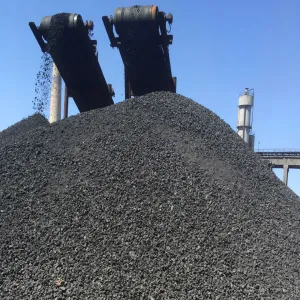
Коксовый уголь для доменного производства чугуна
Их классификация: Углеродные продуктымнения: 21номер:Время выпуска: 2025-11-06 08:53:42Коксовый уголь – это вид твердого топлива. Получается путем сухой перегонки угля при высокой температуре около 1000 ℃. Основным компонентом является фиксированный углерод, за которым следует зола, которая содержит очень мало летучих веществ и серы. Цвет серебристо-серый, с металлическим блеском. Твердая и пористая текстура.Его теплотворная способность обычно составляет от 26380 до 31400 кДж/кг (от 6300 до 7500 ккал/кг). По разным назначениям различают три основных вида кокса: металлургический кокс, литейный кокс и химический кокс. В зависимости от размера существуют различные типы кокса, такие... -
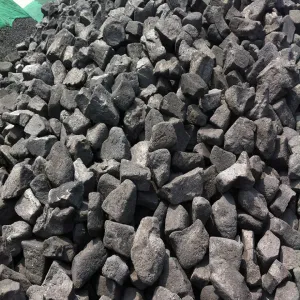
Коксовый уголь
Их классификация: Углеродные продуктымнения: 9номер:Время выпуска: 2025-11-06 08:54:53Коксовый уголь – это вид твердого топлива. Получается путем сухой перегонки угля при высокой температуре около 1000 ℃. Основным компонентом является фиксированный углерод, за которым следует зола, которая содержит очень мало летучих веществ и серы. Цвет серебристо-серый, с металлическим блеском. Твердая и пористая текстура.Его теплотворная способность обычно составляет от 26380 до 31400 кДж/кг (от 6300 до 7500 ккал/кг). По разным назначениям различают три основных вида кокса: металлургический кокс, литейный кокс и химический кокс. В зависимости от размера существуют различные типы кокса, такие...
новости
классификация:
-
[News]Применение графитовых электродов
2025-11-07 16:00:27
случай
классификация:
Нет результатов поиска!
видео
классификация:
Нет результатов поиска!
скачать
классификация:
Нет результатов поиска!
вербовка
классификация:
Нет результатов поиска!
Рекомендуемые продукты
Нет результатов поиска!



 WhatsApp
 телефон
 почтовый ящик