

 English
 العربية

Цена на кальцинированный нефтяной кокс
Calcined Petroleum Coke Price Overview Calcined petroleum coke (CPC) is a critical industrial material widely used in aluminum production, steel manufacturing, and other carbon-intensive industries. Its price is influenced by multiple factors, including raw material costs, supply-demand dynamics, energy prices, and macroeconomic conditions. Below is an analysis of the key drivers affecting CPC pricing. 1. Raw Material Costs CPC is produced by calcining green petroleum coke (GPC), a byproduct of oil refining. The price of GPC is closely tied to crude oil prices. When crude oil prices rise, GPC costs typically increase, pushing up CPC prices. Conversely, lower oil prices may reduce production costs, leading to price declines. Additionally, the quality of GPC (e.g., sulfur content, metal impurities) affects processing costs and final CPC pricing. 2. Supply and Demand Balance The aluminum industry is the largest consumer of CPC, accounting for over 70% of global demand. Growth in aluminum production, particularly in China, directly impacts CPC prices. When demand outstrips supply—due to capacity expansions or reduced refinery output—prices tend to rise. Conversely, oversupply or weaker demand, such as during economic downturns, can lead to price corrections. 3. Energy and Production Costs Calcination requires significant energy, usually from natural gas or coal. Fluctuations in energy prices directly affect production costs. For instance, higher natural gas prices increase calcination expenses, which may be passed on to buyers. Environmental regulations, such as carbon taxes or emission controls, can also raise operational costs, influencing CPC pricing. 4. Geopolitical and Trade Factors Trade policies, tariffs, and export restrictions in key producing regions (e.g., China, the U.S., India) can disrupt supply chains. For example, export quotas or anti-dumping duties may limit availability, driving prices upward. Geopolitical tensions, such as conflicts in oil-producing regions, can also indirectly impact CPC costs via crude oil volatility. 5. Market Speculation and Inventory Levels Traders and investors often speculate on future CPC prices based on inventory data and market trends. Low inventory levels may trigger bullish sentiment, while high stockpiles could pressure prices downward. Seasonal factors, such as pre-winter stockpiling in China, can also cause short-term price spikes. Conclusion The price of calcined petroleum coke is highly dynamic, shaped by interrelated factors ranging from raw material inputs to macroeconomic trends. Industry participants must monitor oil prices, aluminum demand, energy costs, and geopolitical developments to anticipate price movements. As global industries continue to evolve, CPC pricing will remain sensitive to shifts in both commodity markets and regulatory landscapes. (Word count: 500)
продукт
классификация:
Топливо
-
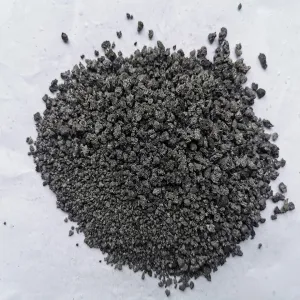
В 1000 кг Big Bag прокаленного нефтяного кокса
Их классификация: Углеродные продуктымнения: 19номер:Время выпуска: 2025-11-05 18:28:54Прокаливание нефтяного кокса – это прокаливание замедленного кокса, добываемого на нефтеперерабатывающем заводе. Хотя прокаленный нефтяной кокс имеет более высокое содержание серы и азота, чем асфальтовый кокс, его ценовое преимущество также позволяет широко использовать его в качестве науглероживающего агента в сталеплавильных и литейных материалах. -
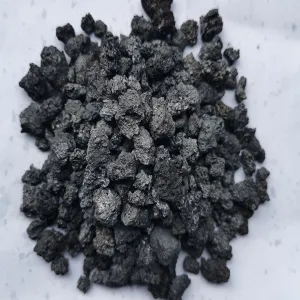
Мешок по 25 кг, кальцинированный нефтяной кокс
Их классификация: Углеродные продуктымнения: 8номер:Время выпуска: 2025-11-05 18:32:32Прокаливание нефтяного кокса — это прокаливание замедленного кокса, добываемого на нефтеперерабатывающем заводе. Хотя прокаленный нефтяной кокс имеет более высокое содержание серы и азота, чем асфальтовый кокс, его ценовое преимущество также позволяет широко использовать его в качестве науглероживающего агента в сталеплавильном и литейном производстве. -
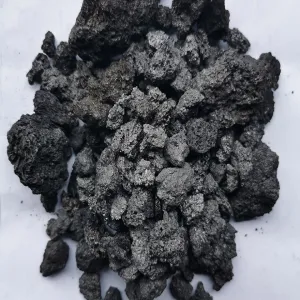
Прокаленный нефтяной кокс
Их классификация: Углеродные продуктымнения: 37номер:Время выпуска: 2025-11-05 18:34:05Прокаливание нефтяного кокса — это прокаливание замедленного кокса, добываемого на нефтеперерабатывающем заводе. Хотя прокаленный нефтяной кокс имеет более высокое содержание серы и азота, чем асфальтовый кокс, его ценовое преимущество также позволяет широко использовать его в качестве науглероживающего агента в сталеплавильном и литейном производстве.
новости
классификация:
-
[News]Цены на нефтяной кокс в Северо-Восточном Китае выросли еще н...
2025-11-07 15:32:13 -
[News]Обзор рынка новых углеродных материалов Китая
2025-11-07 17:17:00
случай
классификация:
Нет результатов поиска!
видео
классификация:
Нет результатов поиска!
скачать
классификация:
Нет результатов поиска!
вербовка
классификация:
Нет результатов поиска!
Рекомендуемые продукты
Нет результатов поиска!



 WhatsApp
 телефон
 почтовый ящик